Mature trees change over time. Some changes are part of natural growth. Others signal a concern worth addressing — declining branches, thinning canopy, bark changes you haven't noticed before. Barton's helps homeowners understand what's going on with their trees and consider what care, if any, makes sense.
When something changes about a tree you've had for years, removal isn't automatically the answer. A mature tree that has provided shade, structure, and character to your property is worth understanding before making a decision about it. Sometimes the right step is corrective care. Sometimes it's monitoring. And sometimes, honestly, removal is the better long-term choice — but that's a determination that should come from looking at the actual tree, not a default.
Barton's Tree Care evaluates trees for homeowners throughout Crofton, MD and the surrounding communities. When someone has a tree they value and a concern they want understood, we start by looking at the whole picture — the tree's current condition, what has changed, and what practical options exist. If the concern involves visible structural defects or proximity to property that raises a hazard question, we handle that through a tree risk assessment. The two evaluations often overlap, but they start from different questions.
These are the kinds of changes and situations homeowners most often bring to us when they're concerned about a tree they'd like to keep.
A tree's canopy can change gradually enough that it's easy to miss year to year. Thinning crown, branches that aren't leafing out the way they used to, or isolated limbs that appear dead while the rest of the tree looks fine — these are signs that something may warrant a closer look. The cause isn't always obvious without evaluating the tree directly.
Cracks, unusual bark patterns, cavities, and new growth formations on the trunk or major limbs are worth noting. These may or may not indicate a serious issue — the significance depends on where they're located, how extensive they are, and the overall condition of the rest of the tree. Understanding what you're actually looking at is the first step.
Trees that have been through a hard storm season, extended drought, or have experienced nearby construction activity sometimes show delayed signs of stress — a season or two after the disruption, not immediately. If a tree's appearance or growth pattern has shifted following any of those events, that context is useful when evaluating what may have changed.
A mature tree that hasn't received any professional evaluation or care in many years may have developed structural issues, deadwood, or other conditions that have been accumulating quietly. Proactive evaluation gives you a clear picture of where the tree stands and whether corrective care now could prevent a larger problem later.
A useful evaluation starts with the tree you actually have — not a generic checklist applied to every tree regardless of species, age, or situation.
We begin with your concern and the tree's context. What changed, and when? Has there been any recent work nearby, weather events, or years of no attention at all? That background shapes what we focus on when we look at the tree. A concern you've had for two years is a different conversation than something that appeared after last month's storm.
We look at the complete tree — trunk condition, bark, major limb structure, crown density and appearance, root zone, and how the tree is positioned relative to structures or other property features. A single visible issue is rarely the whole story. Understanding the tree's overall condition gives you a more accurate picture than reacting to one isolated symptom in isolation.
We'll share what we found and discuss what it suggests. Depending on the situation, that might be selective pruning to address specific deadwood or structural concerns, monitoring the tree over time, or in some cases a recommendation toward removal if the tree's condition makes preservation impractical. We don't push toward any particular outcome. We help you understand your situation.
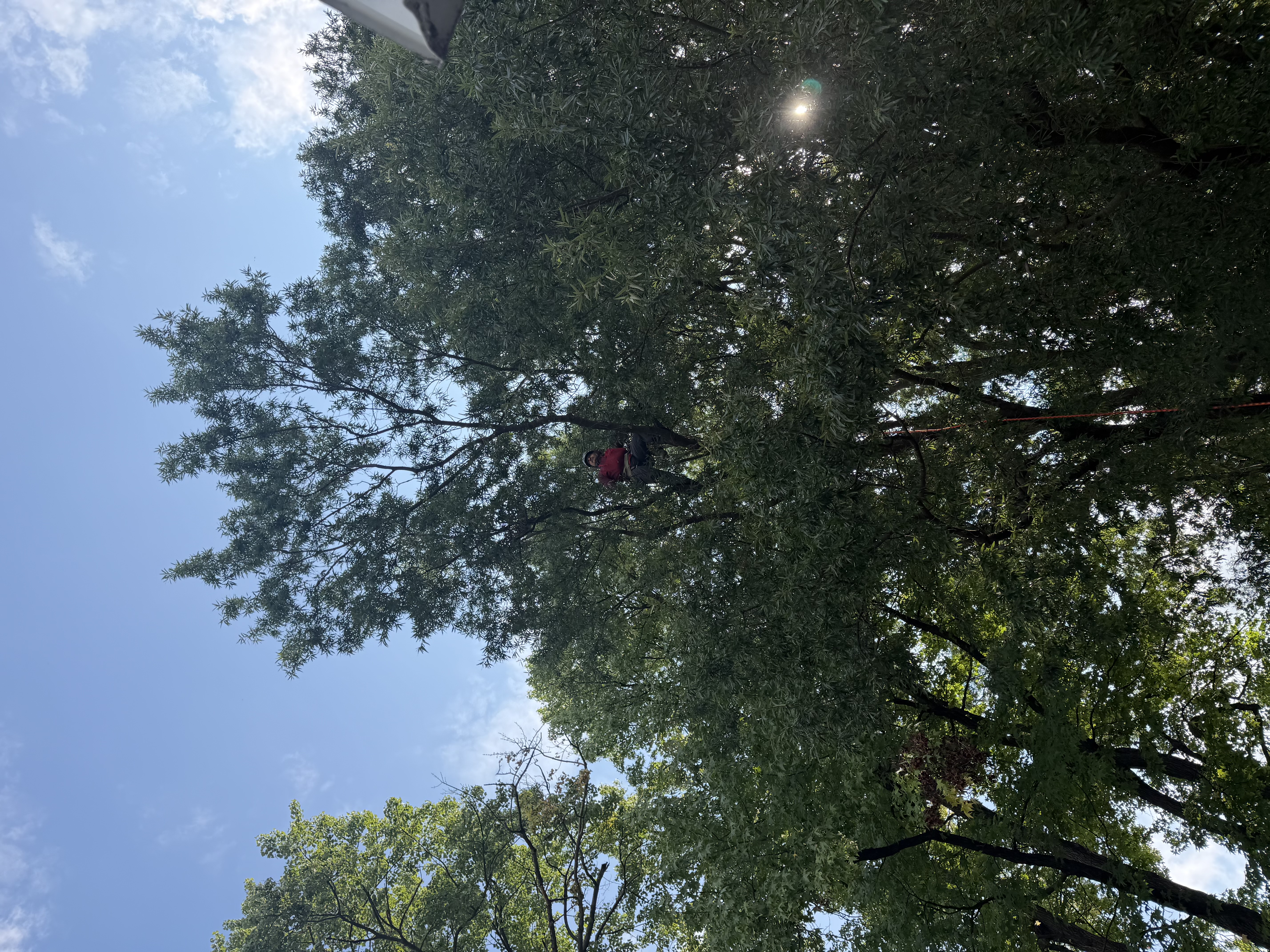
A single dead branch doesn't tell you much on its own. The relevant question is what it indicates about the rest of the tree — whether it's an isolated issue or part of a broader pattern of decline, and whether the tree's overall structure and condition support reasonable maintenance or point toward a different conclusion.
Barton's looks at the tree as a system. A mature tree that has provided decades of value to a property is worth evaluating thoroughly before any decision is made. When pruning is warranted, we approach it with the tree's long-term structure in mind — not just removing what's visible today. When the situation calls for something beyond pruning, we'll explain what we found and why.
Call (410) 710-0164Evaluating whether a tree is worth preserving and what care it actually needs takes genuine experience with trees. Barton's has been doing that work in Maryland since 1989.
Ed Barton III has been working trees in Maryland since 1989. That accumulated experience — across hundreds of species, conditions, and properties throughout Anne Arundel County — is what makes a tree evaluation genuinely useful rather than generic.
MD Tree Expert License #133 & #1883. When Barton's evaluates a tree on your property and recommends a course of action, that recommendation comes from licensed professionals — not an unlicensed crew giving general impressions.
Barton's is based in Crofton, MD and serves Crofton, Gambrills, Odenton, Davidsonville, Annapolis, Edgewater, Severna Park, and surrounding communities. Local experience with local trees.
Answers to the questions homeowners most often have when they're concerned about a tree they'd like to keep.
Call Barton's for a free evaluation. We'll look at the whole tree and help you understand your options — based in Crofton, MD, serving Maryland since 1989.
Owner Direct: (443) 306-3037